The Elders Know: How Intergenerational Art Circles Are Repositioning Immigrant Seniors as Cultural Authorities
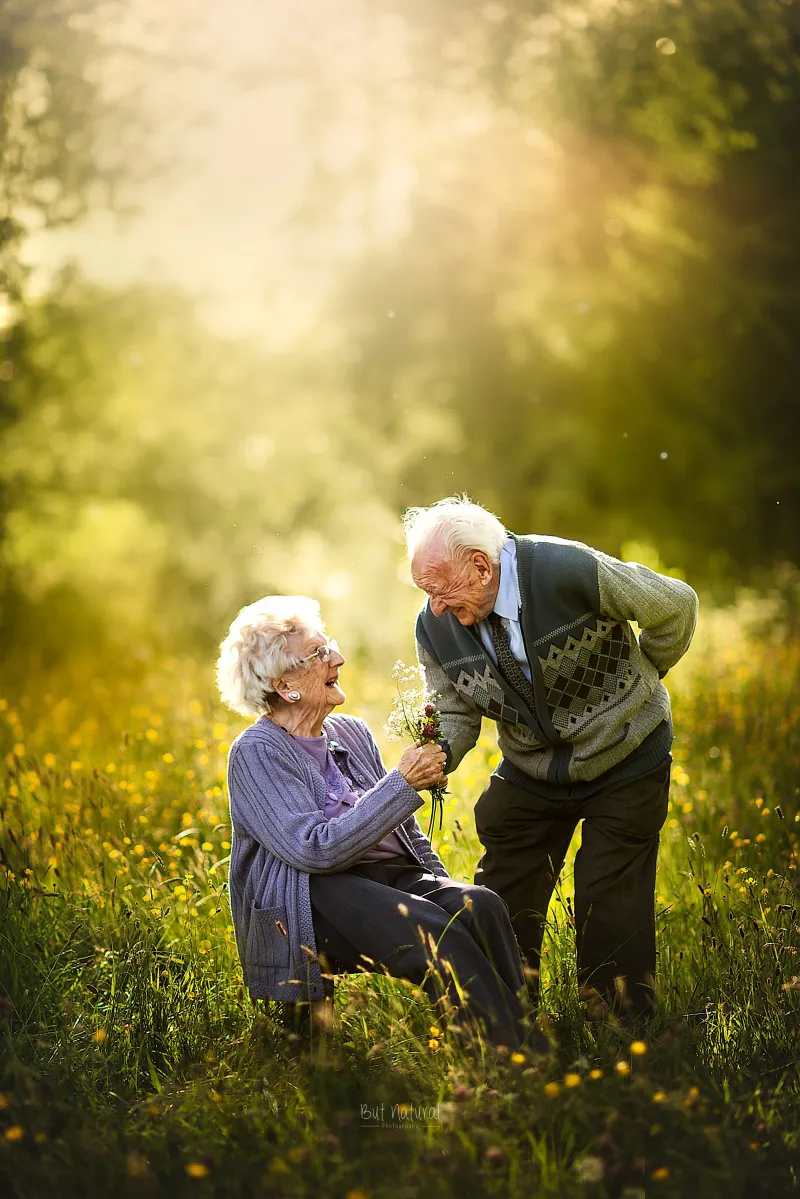
Photo: elderly immigrant woman teaching traditional craft to young people in community center, via img.huffingtonpost.com
In a community center in Minneapolis's Cedar-Riverside neighborhood, a Somali grandmother demonstrates the precise angle of a wrist required to produce a particular embroidery stitch. Around her sit four teenagers, their phones face-down on the table, their attention fixed on her hands. She does not speak much English. They do not speak much Somali. But the stitch, repeated and corrected and repeated again, travels between them without difficulty.
This is not a social services program. It is not a senior activity hour or a cultural heritage display. It is a formal mentorship session, and the grandmother is the instructor.
Reframing Who Holds Knowledge
The prevailing cultural narrative around immigrant elders in the United States tends toward a particular kind of diminishment. Older immigrants are frequently positioned as beneficiaries—of translation services, of social support networks, of well-intentioned programming designed to ease their integration into American life. What this framing systematically obscures is the depth of expertise they carry: decades of mastery in traditional art forms, cultural practices, and craft traditions that exist nowhere in any curriculum, that cannot be found in any archive, and that will disappear entirely if the transfer between generations does not happen deliberately and soon.
A growing cohort of community arts organizations is working to dismantle that framing. By designing programs that position immigrant elders as the primary teachers—as cultural authorities whose knowledge is the central resource around which everything else is organized—these initiatives are attempting something more ambitious than preservation. They are attempting a fundamental reorientation of power within their communities.
The Architecture of Reciprocity
What distinguishes the most effective intergenerational art circles from conventional cultural programming is the deliberateness of their reciprocal design. The relationship between elder mentor and younger student is not incidental or informal. It is structured, compensated where funding allows, and embedded within a broader framework that takes both parties' needs seriously.
Elders gain what social researchers consistently identify as the most significant protective factors against the isolation and depression that disproportionately affect older immigrants: purpose, social connection, and the experience of being valued for what they know rather than managed for what they need. Young participants gain something equally difficult to quantify—a living connection to a cultural inheritance that assimilation pressure constantly works to erode.
"My grandmother was a master weaver in Guatemala," recounts one participant in a Los Angeles–based program serving Central American families. "When she came here, nobody asked about that. Nobody cared. She was just an old woman who needed help with paperwork. This program was the first time anyone in this country treated her like she had something to teach."
Economic Dimensions of Cultural Knowledge
The most forward-thinking programs in this space are also grappling with economic questions that cultural programming has historically avoided. Traditional craft skills—textile arts, ceramics, woodworking, jewelry-making, culinary traditions—are not merely aesthetically significant. They are potentially marketable. And the same economic systems that have devalued the cultural knowledge of immigrant communities have also, paradoxically, created robust markets for the handmade, the artisanal, and the authentically traditional.
Some intergenerational programs are beginning to navigate this terrain carefully, developing cooperative sales structures that allow elder artists to earn income from their work while simultaneously training younger community members in both the craft and the business dimensions of cultural production. The goal is not to commodify culture but to ensure that economic benefit flows to the communities whose knowledge and labor generate it—rather than to outside entrepreneurs who appropriate aesthetic traditions without attribution or compensation.
This approach requires considerable organizational sophistication and a willingness to engage with questions of intellectual property, fair trade, and community ownership that most arts nonprofits are not accustomed to addressing. But practitioners in this space argue that ignoring the economic dimension is itself a form of condescension—an implicit assumption that immigrant communities should be grateful for cultural recognition without expecting material benefit.
Combating the Erasure That Happens Quietly
Cultural erasure rarely announces itself. It does not arrive as a dramatic rupture but as a series of small accommodations: a grandparent who stops speaking their language at family dinners because it makes the American-born grandchildren uncomfortable, a craft practice that goes untaught because there never seems to be time, a body of knowledge that simply fails to make the crossing between generations because no one created the conditions for it to do so.
Intergenerational art circles create those conditions intentionally. They do so by treating cultural transmission as a structured activity worthy of dedicated time, physical space, and organizational resources—not something that should happen organically at family gatherings if only people were less busy or less assimilated.
For many participants, the programs also provide a context in which the emotional dimensions of cultural loss can be named and processed. Elders who have spent years quietly grieving the distance between themselves and their grandchildren's cultural world find, in these circles, permission to articulate that grief. Young people who have internalized shame about ancestral practices that mark them as different from their American peers encounter, sometimes for the first time, an institutional context that treats those practices as sources of pride and intellectual interest.
The Question of Sustainability
Organizations running these programs are candid about the challenges. Funding for senior programming and youth programming often flows through entirely separate institutional channels, making it structurally difficult to sustain initiatives that deliberately bridge those categories. Demonstrating impact in terms that satisfy grant-makers—who typically want quantifiable outcomes—is complicated when the most significant benefits of intergenerational mentorship are relational and longitudinal.
Nevertheless, the field is growing. Networks of organizations doing this work are beginning to share methodology, pool advocacy resources, and make a collective case to funders that intergenerational cultural mentorship is not a luxury supplement to more essential services. It is, they argue, a form of community infrastructure—as foundational to a community's long-term health as any other institution it builds and sustains.
What the Stitch Carries
Back in Minneapolis, the embroidery lesson continues. The grandmother adjusts a teenager's grip with the patient authority of someone who has been teaching this for fifty years, even if she has never before been formally recognized as a teacher. The stitch that passes between them carries more than technique. It carries memory, identity, and the quiet insistence that some things are worth the effort of transmission—that elders know things the world cannot afford to lose.